Why Your St. George Attic Hits 150°F in July — and How Spray Foam Stops It
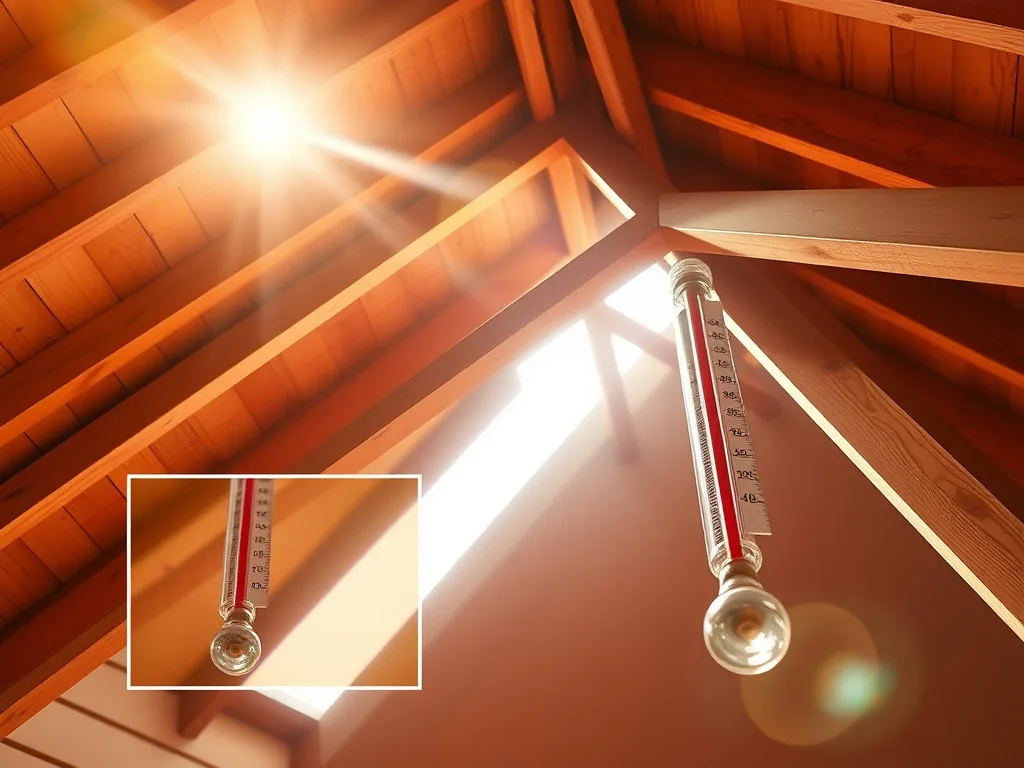
Climb into a Washington County attic on a July afternoon and you'll understand why the air conditioner never seems to shut off. Roof-deck temperatures in St. George routinely climb to 130-150°F or higher during peak summer sun — hot enough to make plywood sheathing too hot to touch. That heat doesn't stay in the attic. It radiates directly into the ductwork and ceiling drywall below, and from there, straight into your living space. If your home still relies on a vented attic with old fiberglass batts laid across the floor, you're fighting a losing battle against a desert sun that was never part of the original design assumptions.
This is a building-science problem, not a bad-luck problem. Understanding how that heat gets from the roof deck into your bedroom — and why the standard vented-attic-plus-batts approach falls short in Washington County — is the first step to fixing it for good.
How Desert Roof Decks Turn Into Radiant Heat Sources
St. George sits at roughly 2,860 feet in IECC Climate Zone 3B — a hot, dry, cooling-load-dominated climate. From mid-June through early September, it's normal to see multi-week stretches of 100°F+ afternoons, with July and August highs commonly running 104-106°F. Add in intense, nearly cloudless desert sun, and asphalt shingle roofs absorb an enormous amount of solar radiation all day, every day.
Asphalt shingles and the plywood or OSB roof deck beneath them heat up through direct solar gain, and that heat has to go somewhere. In a standard vented attic, it radiates downward from the underside of the roof deck into the attic cavity. Because radiant heat transfer doesn't care whether there's an air gap in the way, the attic space becomes a low-grade oven — routinely 130-150°F or more at peak afternoon, even with ridge and soffit vents doing their job.
Conduction, Radiation, and Why Venting Alone Doesn't Solve It
Two heat-transfer mechanisms work against you here. Conduction moves heat through the roof deck material itself, from the sun-baked shingle side to the attic side. Radiation sends that superheated roof deck's infrared heat downward into everything below it — including ductwork running through the attic and the ceiling drywall that separates the attic from your living space. Attic ventilation exhausts some hot air and modestly reduces peak temperatures, but it does nothing to stop radiant heat transfer, and little to protect ductwork sitting directly in that radiant path. In a Zone 3B desert climate with this much solar load, venting alone was never going to be enough.
Why Old Fiberglass Batts Fail Against This Kind of Heat Load
The traditional approach — fiberglass batts laid across the attic floor — was designed to slow conductive heat loss in cold climates, where the goal is keeping furnace-heated air inside the house. That's a fundamentally different job than the one a St. George attic needs done. Here, the challenge is blocking radiant and conductive heat gain pouring down from a 150°F roof deck, not retaining warmth generated inside the house.
Fiberglass batts also lose effectiveness with age. They settle, compress, and shift out of place over the years, especially where techs have walked through the attic servicing ductwork. Gaps open around can lights, attic hatches, and wiring penetrations, and air leaks develop at the ceiling plane, letting hot attic air infiltrate conditioned rooms directly. Because batts do nothing to address the ductwork itself, any supply or return trunk running through a 140°F attic space absorbs heat and loses cooling capacity before that air ever reaches a room register.
- Batts address conductive heat flow, not radiant heat transfer from a superheated roof deck
- Compression and settling over time reduce real-world R-value well below the rated number
- Gaps around lights, hatches, and penetrations create direct air-leak paths for hot attic air
- Ductwork remains fully exposed to attic heat, losing cooling capacity in transit
The Sealed Conditioned Attic: How Roof-Deck Spray Foam Changes the Equation
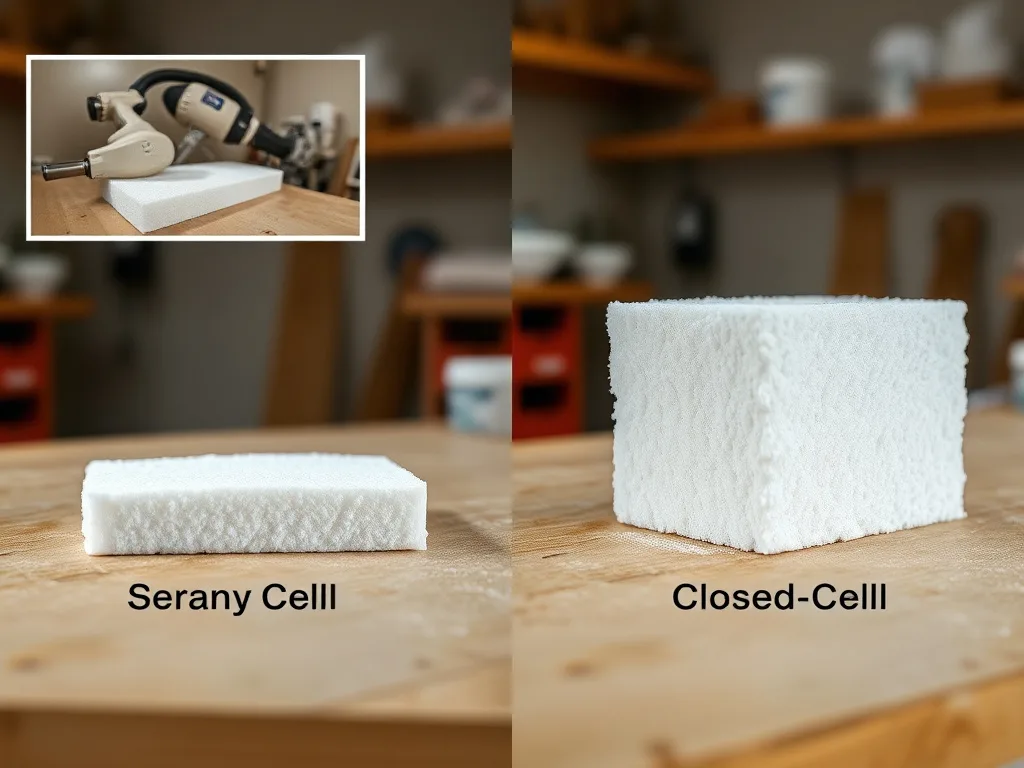
The fix is to change what an attic is, structurally. Instead of treating the attic floor as the thermal boundary and venting the attic to outside air, closed-cell spray foam is applied directly to the underside of the roof deck — rafters and sheathing — sealing the entire attic into the conditioned envelope of the home. This is sometimes called an unvented or sealed conditioned attic assembly, and it addresses the St. George heat problem at its actual source: the roof deck itself.
Closed-cell spray foam runs roughly R-6 to R-7 per inch, delivering high thermal resistance in a compact application. More importantly, it creates a continuous, adhered air barrier with no seams or settling over time — it fills every irregular cavity between rafters and bonds directly to the wood, stopping both conductive heat flow and the air leakage fiberglass can't address. Once the roof deck is sealed, the attic stops behaving like an outdoor-temperature zone and starts behaving like part of the conditioned home, because the radiant heat source has been intercepted right where it enters the building.
The Payoff: AC Runtime, Duct Temperatures, and Monsoon Humidity
Sealing the roof deck pays off in three concrete ways for a St. George homeowner, all of them tied directly to how hard your AC system has to work from May through September.
AC Runtime and Rocky Mountain Power / Dixie Power Bills
When the attic above the ceiling is no longer radiating 130-150°F heat downward, your air conditioner isn't fighting a constant heat load pushing through the ceiling plane all afternoon and evening. That means shorter, less frequent cooling cycles and less total runtime during peak summer months — which shows up directly on your Rocky Mountain Power or Dixie Power bill. Rocky Mountain Power's Wattsmart Homes program recognizes building envelope improvements like this as a path to real cooling-season savings, which reflects how significant this heat source is in local energy use.
Ductwork Temperature and Delivered Cooling
If your supply ducts run through the attic — as they do in most St. George homes — a sealed conditioned attic means that ductwork is no longer sitting in a 140°F+ environment. Conditioned air moving through those ducts arrives at your registers closer to the temperature it left the air handler, instead of picking up heat along the way, which improves comfort in far rooms and eases strain on the system.
Monsoon-Season Humidity Swings
Washington County's monsoon season, running roughly mid/late-July through early/mid-September, brings sudden humidity spikes along with the storms. A sealed assembly with closed-cell foam adds moisture resistance at the roof deck and reduces pathways for humid outside air to swing conditions inside the attic and ceiling cavity — protecting ductwork and framing on top of solving the heat problem the rest of the year.
What This Looks Like as a Project
Converting a vented attic with old batts into a sealed, spray-foam-conditioned assembly is a specialized retrofit — it involves assessing existing ventilation, addressing any batts already in place, and applying closed-cell foam correctly to rafters and sheathing to hit current R-value targets for Zone 3B construction. It's not a DIY weekend project. For a full breakdown of the process and how it pairs with duct sealing and other cooling-season upgrades, our attic and roof-deck spray foam insulation service covers the details specific to Washington County homes.
If your attic is doing exactly what's described above every July afternoon, the fix isn't more batts or a bigger vent — it's changing what the attic is. Reach out at 844-967-5247 or josh@contractorschoiceagency.com to talk through what a sealed conditioned attic would look like for your home.
Frequently asked questions
Direct solar radiation on a dark asphalt shingle roof heats the roof deck itself well above ambient air temperature, and that heat conducts and radiates directly into the attic space below. In St. George, this pushes roof-deck and attic temperatures to 130-150°F or higher on summer afternoons, even when the outside air temperature is 104-106°F.
Ventilation can exhaust some hot air and modestly reduce peak attic temperatures, but it does not stop radiant heat transfer from the roof deck into ductwork and ceiling drywall, which is the bigger driver of AC load in a Zone 3B desert climate. Sealing the roof deck with closed-cell spray foam addresses the radiant heat source directly, which venting cannot do on its own.
In St. George's dry climate, the low-moisture-resistance concerns that matter in humid regions are much less of an issue, and closed-cell foam adds moisture resistance at the roof deck for monsoon-season humidity swings. A correctly designed sealed assembly manages moisture appropriately for our climate zone.
Once the attic becomes part of the conditioned envelope instead of an outdoor-temperature space, ductwork running through it is no longer sitting in 130-150°F heat. That means less heat gain into the duct system and cooler air delivered to your rooms, easing the load on your AC system.
Ready for a free quote?
Tell us about your home and we'll build a clear, no-pressure quote.