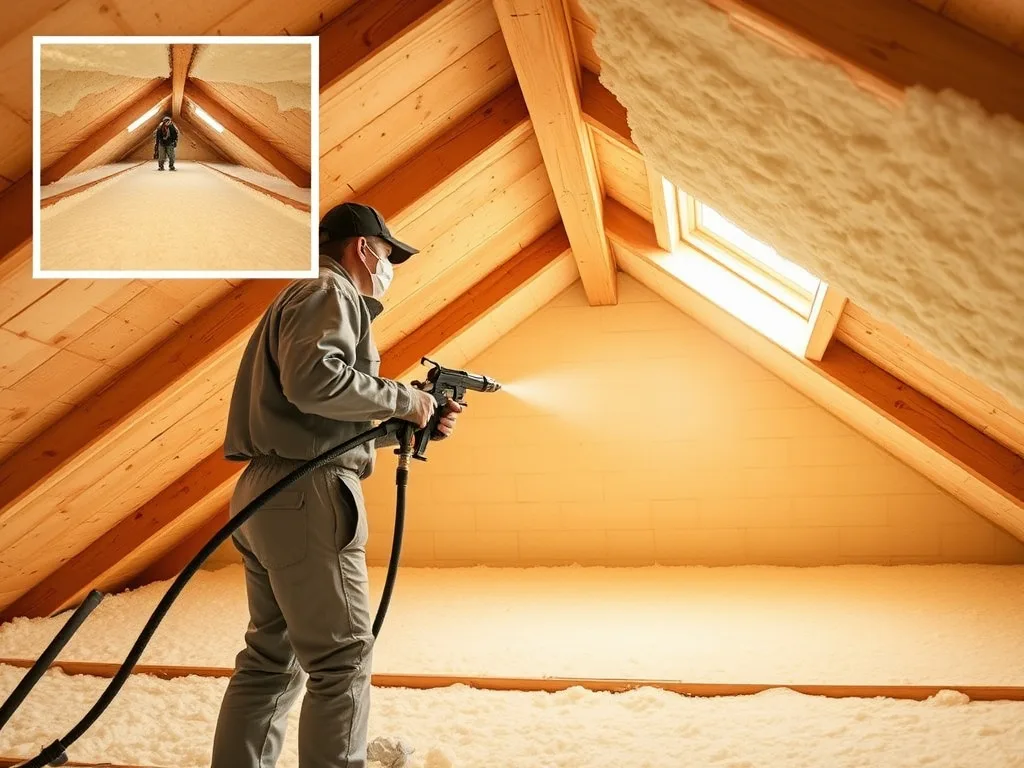
Spray foam. Nothing else.
We're not a general insulation company that also does spray foam — spray foam is the only thing we do. Built for St. George, Utah's real hot-desert climate at 2,860 feet, IECC Climate Zone 3B, serving St. George, Washington City, Hurricane, Santa Clara, and Ivins.
A cooler home, lower AC bills
Tell us about your home — a hot upstairs by 4pm, a sweltering garage, a new build — and we'll build a clear, no-pressure quote.
- Cut summer AC bills
- Air-seal and insulate in one step
- Zone 3B-appropriate R-values
We're a specialist, not a generalist who also sprays foam.
St. George sits at roughly 2,860 feet in the Utah desert, in IECC Climate Zone 3B — a genuine hot-desert climate with July highs of 104-106°F and August close behind, followed by a monsoon season that runs mid/late-July through early/mid- September. Real code-minimum R-values still apply here — this is a cooling-load problem, not a heating one.
Spray foam insulation is built for exactly this kind of climate. It insulates and air-seals in a single application, stopping the radiant heat gain that pushes dark roof decks to 130-150°F+ in direct desert sun and drives up AC runtime every day from May through September — something blown-in or batt insulation alone can't do.
There's another spray foam contractor down the road that also does blown-in, batt, and air sealing. We only do spray foam. Every truck, every crew, every hour of training goes into one material — not spread thin across four.
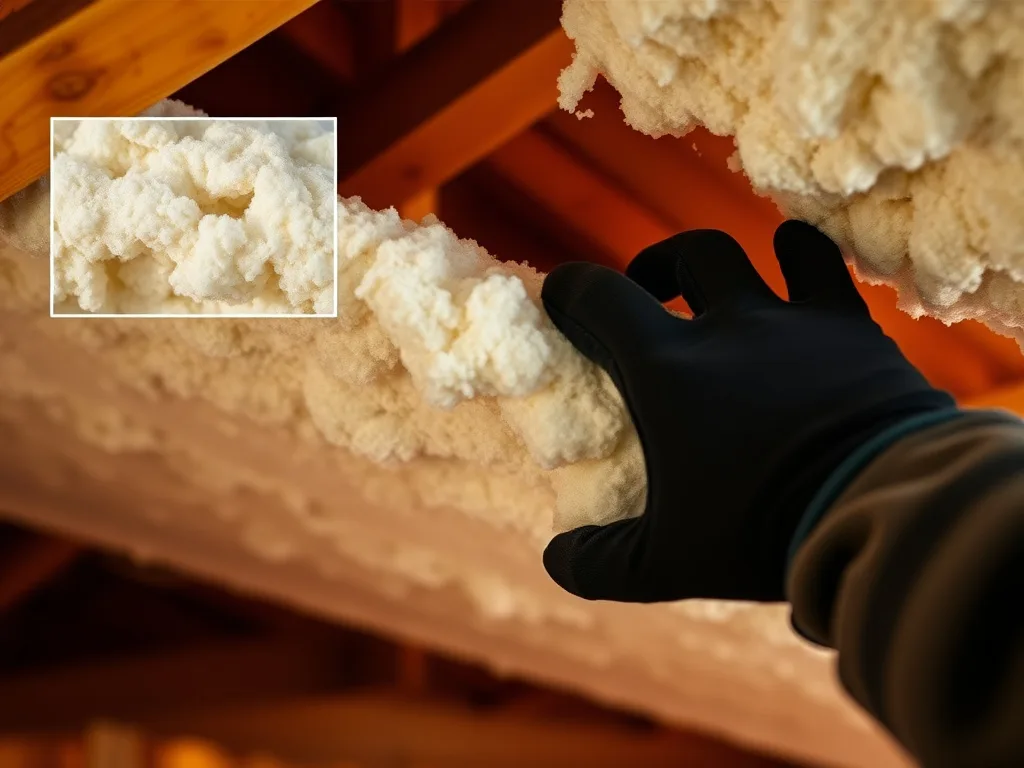
Complete spray foam insulation for St. George homes & businesses
From attic and roof-deck applications to whole-home new construction — click any service to see how it works, what it costs, and why it fits Washington County's desert climate.
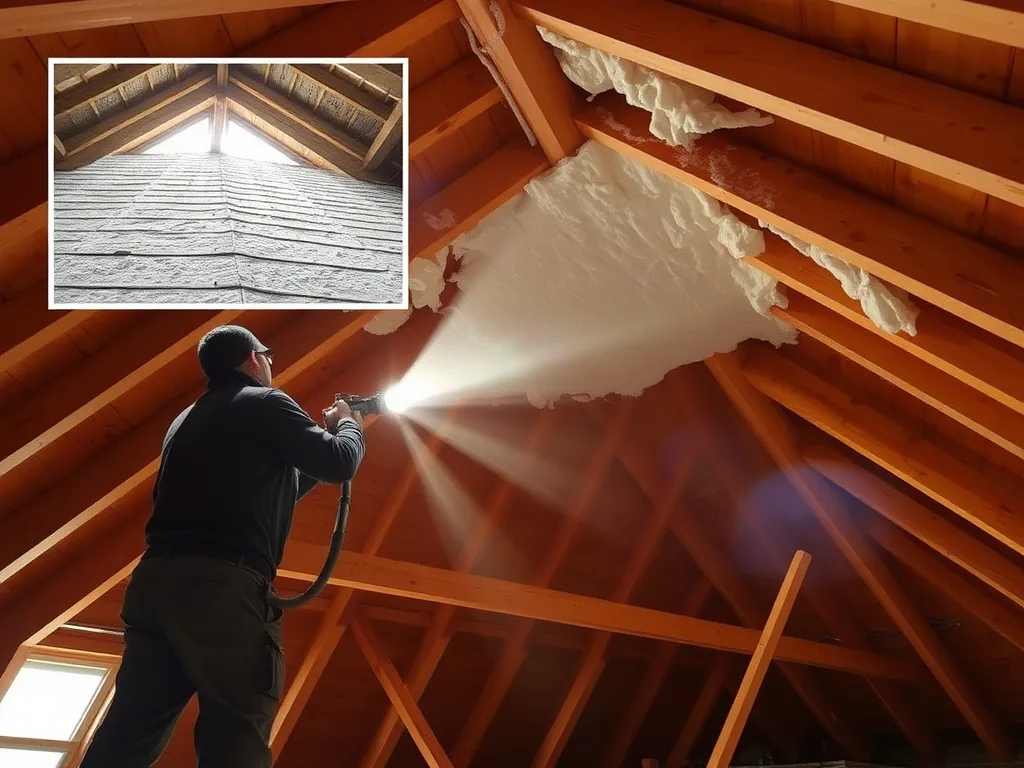
Comfort and savings, built for Washington County summers.
A true specialist, not a side offering
Spray foam is the only material we install — every crew's entire focus, from rim joists to roof decks, instead of one service split across several.
Zone 3B-appropriate R-values
We build to St. George's actual code targets for a hot-desert climate — not a generic statewide minimum or a cold-climate assumption that doesn't apply here.
Honest, right-sized advice
We recommend open-cell, closed-cell, or a mix based on your home's actual needs — and we won't oversell heating-bill or ice-dam framing that has nothing to do with a St. George summer.
Proudly serving St. George & Washington County
Local crews across St. George and the surrounding communities — we know these homes and this desert climate.
From free assessment to a cooler, more efficient home
Free assessment
We evaluate your home, talk through goals and budget, and give you a clear, itemized quote.
Prep the space
We prep the area, mask surfaces, and stage equipment — old insulation removed first if needed.
Spray-apply foam
Open-cell or closed-cell foam is sprayed to your Zone 3B R-value target, sealing every gap.
Inspect & verify
We inspect the finished application and walk you through what to expect this summer.
St. George spray foam insulation FAQs
Spray foam is a chemistry-dependent process — mix ratios, application thickness, temperature conditions, and cure time all have to be right, and getting any of them wrong shows up later as under-performing R-value, incomplete air sealing, or a poor cure. A crew that sprays foam occasionally, alongside blown-in, batts, and audits, simply doesn't get the same rep count or specialized equipment investment as a crew that does nothing else all day, every day. We're not a general insulation company that also does spray foam — spray foam is the only thing we do, which is why we do it better than anyone else in Washington County.
Yes — this is the core problem spray foam is built to solve in a desert market like ours. A dark asphalt roof deck in direct St. George sun can push attic air and roof-deck temperatures to 130-150°F+ during peak summer, and in a vented attic with old or gapped fiberglass, that heat radiates and convects straight into your ductwork and ceiling drywall. Applying closed-cell spray foam directly to the underside of the roof deck converts a vented attic into a sealed, conditioned assembly, dramatically reducing how much of that heat makes it into the living space and ductwork below.
For most homes, yes, particularly if the attic and roof deck are the target of the work — those two months are when St. George's cooling load peaks, and a sealed, foam-insulated attic assembly means your AC system spends less time fighting radiant heat gain from a 130-150°F+ roof deck. Rocky Mountain Power customers may also qualify for Wattsmart Homes program incentives that help offset the upfront project cost, which effectively improves your net savings.
Most St. George spray foam projects run roughly $1.50 to $5.00 per square foot installed, with open-cell foam sitting toward the lower end and closed-cell toward the higher end because of its denser chemistry and higher R-value per inch. Because Washington County's climate is entirely cooling-driven, none of the cost drivers you'd see in a cold-climate market — ice-dam prevention, snow-load venting changes — apply here. We'll walk your specific home and give you a firm, itemized quote rather than a generic per-square-foot guess.
Get your free spray foam quote
Tell us about your home and we'll put together a clear, no-pressure spray foam insulation quote — built for St. George's real summers.