Why a Spray-Foam-Only Contractor Beats a General Insulation Company in St. George
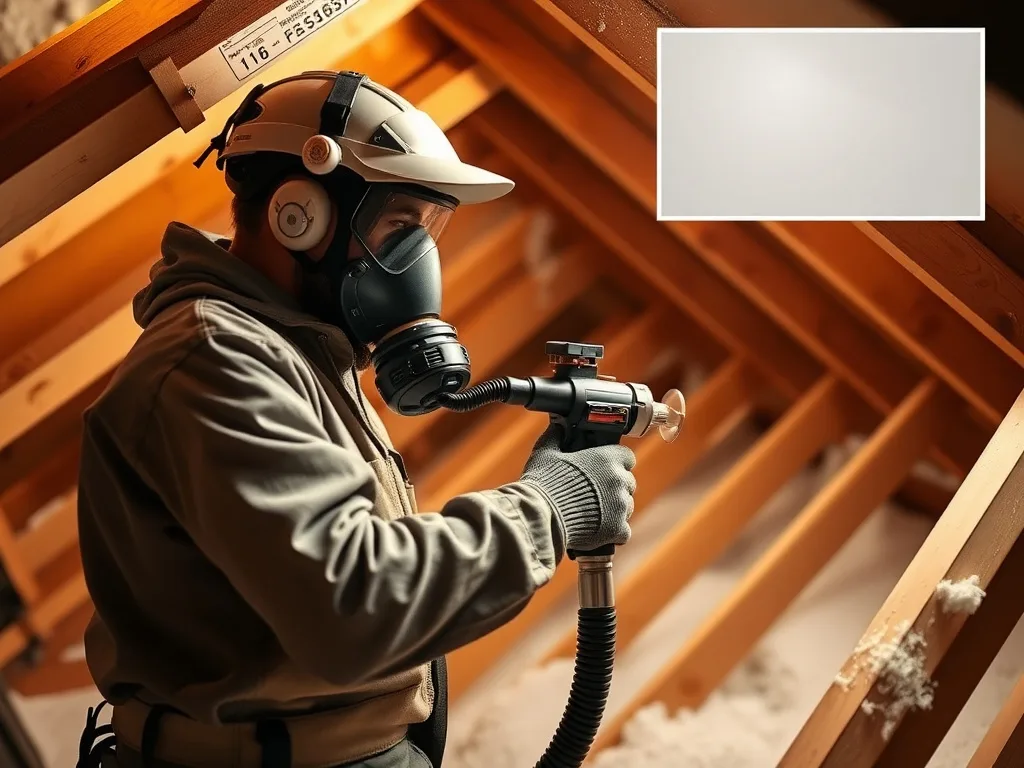
When you start calling around for spray foam insulation in St. George, you'll notice most of the names on the list aren't spray foam companies at all. They're general insulation contractors — outfits that install blown-in cellulose, fiberglass batts, run energy audits, and yes, somewhere on the service list, spray foam too. It sounds convenient. One contractor, every option. But spray foam isn't like the other products on that menu, and treating it as an add-on service is exactly where things go wrong.
"Also Does Spray Foam" vs. "Spray Foam Is All We Do"
Blown-in insulation and batts are mechanically simple — measure, cut or blow, done. Spray foam is a two-part chemical reaction happening in real time, on your roof deck or in your wall cavity, in whatever heat and humidity Washington County throws at it that day. Ratio, temperature, pressure, and pass technique all have to be right simultaneously, or you get off-ratio foam, poor adhesion, shrinkage, or voids you can't see until a problem shows up months later.
That's not a slogan we picked because it sounded good. It's the actual operating difference between us and a shop that spreads its attention across five or six insulation products. Every truck, every rig, every hour of crew training here goes toward one material and one application process.
Equipment That Sits Idle Loses Calibration
Spray foam rigs — proportioners, heated hose systems, spray guns — need regular use, regular maintenance, and regular recalibration to lay down consistent foam. A company running two or three spray foam jobs a month, sandwiched between dozens of blown-in and batt jobs, isn't going to run their equipment hot and dialed-in the way a crew that's spraying foam every single day does. Ratio drift is one of the most common causes of soft, under-cured, or poorly adhered foam, and it's far more likely on equipment that's cold half the week.
We run our rigs constantly. They stay calibrated because calibration is a daily habit, not a pre-job checklist item somebody has to remember.
Crew Training and Rep Count Compound
Spray foam application is a hand skill. Pass speed, standoff distance, layering thickness, reading how the foam is rising in real time — none of that comes from a manual. It comes from thousands of square feet sprayed under a supervisor's eye until it's automatic. A technician who sprays foam a few times a month is still, functionally, early in that learning curve years into the job. A technician who sprays foam every working day gets there in months and keeps improving from there.
Because our crews only spray foam, their reps stack up fast — and it shows in tighter cell structure, more even coverage, and fewer callbacks.
St. George's Heat Doesn't Forgive Mediocre Foam Work
This isn't a mild climate to install insulation in. St. George summers push 104-106°F in July, mid-100s through August, and roof decks in direct desert sun regularly hit 130-150°F. Add the monsoon humidity spikes that roll through from mid-July into September, and you've got an application environment that punishes shortcuts. Foam that's a little off-ratio or a little thin might get by in a mild climate. Under repeated 100°F+ heat cycling and monsoon moisture swings, marginal foam work shows its weaknesses fast — shrinkage gaps at seams, reduced R-value where the cell structure is inconsistent, adhesion failure at rim joists and roof decks.
Correct application matters more here than almost anywhere else in the state, which is exactly why we don't treat foam as one line item among several. Getting closed-cell density right on a roof deck, or open-cell coverage right in a wall cavity, is the entire job — not a job we're squeezing in between blown-in installs.
Warranty Accountability Without Passing the Buck
When something goes wrong with spray foam — a soft spot, an odor, a section that didn't cure evenly — the first question is always "was it the material or the installer?" At a general insulation company, spray foam is often subbed out or handled by whichever crew happens to be free that week, which makes that question harder to answer and easier to deflect. We install every job ourselves, start to finish, with the same crews and the same equipment on every visit. If there's an issue, there's no subcontractor to point to and no ambiguity about who applied the foam. That's what specialist accountability actually looks like.
When a General Insulation Company Is Actually the Right Call
To be direct about it: we're not the right fit for every insulation need in Washington County, and we'd rather tell you that upfront than stretch our scope to match. If you need a blown-in attic top-off, a whole-home energy audit, insulation removal, or a mix of batt and blown-in work across a remodel, a full-service general insulation contractor is genuinely the better-suited option — that work isn't spray foam, and it isn't what we do. We're specifically the call when the job is spray foam: attics and roof decks, wall cavities, crawl spaces, garages, rim joists, or new construction that needs foam applied correctly the first time.
What Specialization Looks Like in Practice
- Rigs calibrated and run daily, not warmed up occasionally for the rare foam job
- Crews with high spray-foam rep counts, not generalists rotating between products
- Closed-cell and open-cell chemistry treated as the core expertise, not a side offering
- One crew, start to finish, with no subcontracted foam work to create accountability gaps
- Application practices built specifically around desert heat cycling and monsoon moisture, not generic insulation defaults
If your project is spray foam — anywhere from a hot roof deck to a stubborn west-facing wall to a rim joist letting in dust and heat — talk to a crew that only does this. Call 844-967-5247 or email josh@contractorschoiceagency.com and we'll walk through what the job actually needs, no menu of unrelated services attached.
Frequently asked questions
It means we won't be the ones doing that part of the work. We handle spray foam exclusively, so for blown-in attic top-offs, batt installation, or a full energy audit, you'll want a full-service general insulation contractor. Plenty of homeowners use a specialist for the spray foam portion of a project and a general contractor for everything else.
Not necessarily. Pricing depends on the scope of the job, not who else is on the company's service list. Because we only spray foam, our crews and equipment are used efficiently every day, which often keeps our pricing competitive rather than inflated.
Ask directly what percentage of their jobs are spray foam versus other insulation types, how often their crews spray in a typical week, and whether foam work is subcontracted. A specialist should be spraying foam constantly, with their own crews, as the core of the business — not as one of several services.
Yes. It's common on new construction and larger remodels for us to handle the spray foam scope while a builder, general contractor, or energy auditor handles the rest. We're glad to work alongside them and schedule around the broader project timeline.
Ready for a free quote?
Tell us about your home and we'll build a clear, no-pressure quote.